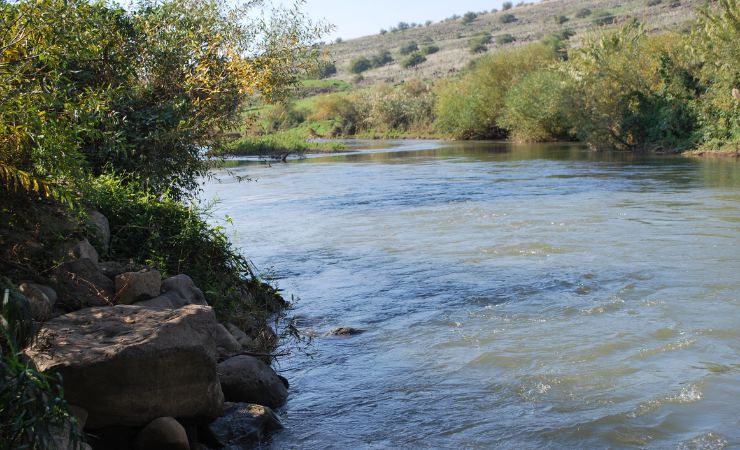
The Jordan River is Israel's most sacred waterway, flowing 251 kilometers from Mount Hermon to the Dead Sea. It's the traditional site of Jesus's baptism and forms the border between Israel and Jordan, offering visitors multiple national parks and the famous Qasr al-Yahud baptismal site.
The Jordan River is Israel’s most significant waterway, flowing 251 kilometers from Mount Hermon to the Dead Sea through the heart of biblical history. This sacred river forms the eastern border between Israel and Jordan south of the Sea of Galilee, winding through the Jordan Valley as part of the Great Rift Valley system. The river holds profound religious importance for Christianity, Judaism, and Islam, particularly as the traditional site where Jesus was baptized by John the Baptist.
Overview
The Jordan River system begins in the foothills of Mount Hermon, where multiple streams converge to form the river’s headwaters. The Dan Stream, originating from Tel Dan Nature Reserve, serves as the largest source feeding into the Jordan River. From its northern sources, the river flows southward through the Hula Valley, enters the Sea of Galilee, then continues south through the Jordan Valley until it reaches the Dead Sea, which contains the lowest point on Earth.
The name Jordan likely derives from the Semitic root ‘Yard|on’ meaning ‘flow down,’ reflecting the river’s dramatic descent from the mountains of Lebanon to the depths of the Dead Sea basin. This descent creates a unique ecosystem and geographical phenomenon that has shaped both the landscape and human civilization for millennia.
Today, the Jordan River faces significant environmental challenges. The river’s annual flow has dropped dramatically from over 1.3 billion cubic meters to less than 30 million cubic meters in the last 50 years due to upstream diversions and increased water usage throughout the region. Despite these challenges, the river remains a vital water source and continues to attract millions of pilgrims and visitors annually.
Historical Background
The Jordan River appears throughout biblical history as a boundary, a crossing point, and a site of divine intervention. In the Hebrew Bible, the Israelites crossed the Jordan River under Joshua’s leadership to enter the Promised Land, with the waters miraculously parting to allow safe passage. The prophet Elijah divided the waters with his mantle, and Elisha performed healing miracles along its banks.
The river’s most significant moment in Christian tradition occurred when Jesus came from Galilee to be baptized by John the Baptist. The Gospels record this event as marking the beginning of Jesus’s public ministry, with the Holy Spirit descending like a dove and God’s voice declaring Jesus as His beloved Son. Early Christian pilgrims began visiting the baptismal site as early as the 4th century CE.
Archaeological evidence reveals continuous human settlement along the Jordan River for thousands of years. Ancient cities like Bethsaida flourished as fishing communities during the Second Temple period, taking advantage of the river’s connection to the Sea of Galilee and its abundant fish populations. The Jordan Valley’s fertile soil, irrigated by the river’s waters, supported agriculture that fed much of the ancient Near East.
During the Byzantine period, numerous churches and monasteries were constructed along the river, particularly near the baptismal site. The Franciscans built a chapel in 1933 near the traditional baptism location, maintaining Christian presence at this sacred site. The area changed hands multiple times throughout history, with various empires recognizing the strategic and religious importance of controlling the Jordan River.
The Jordan River in the Bible
The Jordan River flows through both the Old and New Testaments as a central feature in many pivotal biblical narratives. In the Old Testament, the crossing of the Jordan under Joshua’s leadership marks one of the most significant moments in Israelite history, when God commanded the river to stop flowing, allowing the Israelites to cross on dry ground into the Promised Land. The account describes priests carrying the Ark of the Covenant stepping into the waters, causing them to pile up upstream while the people crossed near Jericho.
The prophet Elijah performed one of his most memorable miracles at the Jordan River, striking the waters with his mantle to part them before being taken up to heaven in a whirlwind. His successor Elisha repeated this miracle and later directed the Syrian commander Naaman to wash seven times in the Jordan River to cure his leprosy, demonstrating God’s power through the humble waters that Naaman initially scorned compared to the rivers of Damascus.
In the New Testament, the Jordan River becomes the setting for John the Baptist’s ministry, where he baptized crowds of repentant Jews in preparation for the coming Messiah. The baptism of Jesus by John represents the river’s most significant moment in Christian tradition, when the Holy Spirit descended like a dove and God’s voice proclaimed Jesus as His beloved Son. This event established the Jordan River as Christianity’s most sacred baptismal site, where Jesus began His public ministry and demonstrated His identification with humanity through this act of obedience and humility.
Inside Jordan River: What to See
The Jordan River offers visitors multiple access points and experiences, from its pristine sources in the north to its most famous baptismal site in the south. Each location along the river provides different perspectives on this biblical waterway, combining natural beauty with profound historical and religious significance. The river’s various sites are managed as national parks and nature reserves, preserving both the ecological and cultural heritage for future generations.
The most visited sections of the Jordan River showcase diverse landscapes and archaeological treasures, while interpretation centers help visitors understand the river’s role in shaping regional history and continuing religious traditions.
Qasr al-Yahud Baptismal Site — The traditional site of Jesus’s baptism by John the Baptist stands as Christianity’s most important location along the Jordan River. Managed by the Israel Nature and Parks Authority, this national park preserves the sacred waters where millions of Christian pilgrims have been baptized following in Jesus’s footsteps. The site features wooden platforms extending into the river, allowing safe access for baptismal ceremonies while protecting the riverbank from erosion. Nearby stand the ruins of Byzantine churches and monasteries, testament to centuries of Christian veneration at this location.
Jordan River National Park — Spanning approximately 250 acres northeast of the Sea of Galilee, this park preserves a section of the Jordan River in its more natural state. Hiking trails wind through riparian vegetation, offering glimpses of the diverse wildlife that depends on the river ecosystem. The park features a restored water-driven flour mill that demonstrates traditional grain processing methods used by local communities for generations. Springs of Ein Mishpa provide crystal-clear water that feeds into the main river channel, creating pools where visitors can observe the river’s ecology up close.
Tel Dan Nature Reserve — At the river’s primary source, Tel Dan Nature Reserve protects the Dan Stream as it emerges from abundant springs at the base of Mount Hermon. This location provides the Jordan River with approximately 238 million cubic meters of water annually, making it the most significant contributor to the river’s flow. Boardwalk trails allow visitors to walk directly over the rushing springs and observe the river’s birth from underground sources. Ancient ruins of the biblical city of Dan, including a remarkable gate complex from Abraham’s time, overlook these life-giving waters.
Yardenit — Located at the southern tip of the Sea of Galilee along the Jordan River, Yardenit is a premier, tranquil baptismal site that welcomes over half a million Christian pilgrims annually to submerge in its holy waters. Just like the Jerusalem landmarks mapped in your Lovable pilot screenshots, Yardenit would function as a major scenic POI in the Tour Replay Israel PWA, allowing guides to seamlessly pin point-in-time photos, record audio narrations, and map out its lush, eucalyptus-shaded grounds for a beautifully compiled digital souvenir.
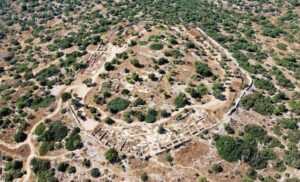
Et-Tell Archaeological Site — Located within Jordan River National Park, the ruins of Et-Tell are identified by many scholars as biblical Bethsaida, the prosperous fishing village that served as home to several of Jesus’s disciples. Excavations have revealed sophisticated urban planning from the Second Temple period, including residential quarters, public buildings, and evidence of the fishing industry that made Bethsaida wealthy. The elevated position provides commanding views over the Jordan River as it approaches the Sea of Galilee, explaining why this location became such an important settlement.
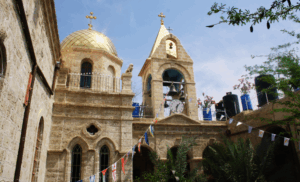
Franciscan Chapel Ruins — Near the Qasr al-Yahud baptismal site, the remains of a Franciscan chapel built in 1933 demonstrate 20th-century Christian devotion to the traditional baptism location. The chapel complex included monastery rooms and a small church topped with a distinctive dome, serving pilgrims until the area became militarized during regional conflicts. Today, the ruins stand as a poignant reminder of the site’s continuous religious significance and the challenges of maintaining sacred spaces in contested regions.
River Observation Points — Several designated viewpoints along the Jordan River provide opportunities to contemplate the waterway’s reduced flow and environmental challenges while appreciating its enduring spiritual significance. These locations feature interpretive displays explaining the river’s hydrological cycle, its role in regional water politics, and ongoing conservation efforts to restore sustainable flow levels. The contrast between historical descriptions of a mighty river and today’s more modest stream helps visitors understand both the river’s past grandeur and current vulnerabilities.
Additional Information
- Israel Nature and Parks Authority – Qasr al-Yahud — Official site information for the baptismal site
- Custodia di Terra Santa – River Jordan Baptism Site — Christian pilgrimage site information and history
- Israel Nature and Parks Authority – Tel Dan — Information about the primary source of the Jordan River
- Britannica – Jordan River — Comprehensive geographical and historical information
Frequently Asked Questions
Can I be baptized at the Jordan River baptismal site?
Yes, baptismal ceremonies are permitted at Qasr al-Yahud under supervision of site staff. Individual baptisms can occur during regular visiting hours, while group ceremonies require advance coordination with park management. White baptismal robes are available for purchase on-site, and changing facilities are provided for visitors.
What is the best time of year to visit the Jordan River?
The optimal visiting period is October through April when Jordan Valley temperatures are moderate. Summer months can be extremely hot, with temperatures exceeding 40°C (104°F) and limited shade at most river sites. Winter offers the most comfortable weather and slightly higher water levels from seasonal rains.
Why has the Jordan River’s water level decreased so dramatically?
The river’s flow has dropped from over 1.3 billion cubic meters to less than 30 million cubic meters annually due to upstream diversions for agriculture and urban water supply by Israel, Jordan, and Syria. Climate change and prolonged droughts have further reduced the natural water sources feeding the river system.
Are there security considerations when visiting Jordan River sites?
All Jordan River sites operate under Israeli security oversight and are considered safe for tourists. Qasr al-Yahud is located near the Israeli-Jordanian border and includes security checkpoints, but this does not affect normal tourist visits. Visitors should carry identification and follow posted guidelines at all locations.
Can I see wildlife along the Jordan River?
The river supports diverse wildlife despite reduced water flow, including various bird species, small mammals, and fish populations. Tel Dan Nature Reserve offers the best wildlife viewing opportunities, with over 140 bird species recorded in the area. Early morning visits provide optimal chances for wildlife observation.
What archaeological discoveries have been made along the Jordan River?
Major archaeological sites include the biblical city of Dan with its ancient gate complex, Et-Tell (biblical Bethsaida) with Second Temple period remains, and numerous Byzantine churches near the baptismal site. Recent excavations continue to uncover evidence of continuous human settlement spanning over 4,000 years along the river’s course.
Nearby Sites
- Qasr el Yahud: The traditional baptismal site of Jesus on the Jordan River, managed as a national park.
- Kochav HaYarden (Belvoir): A remarkably preserved Crusader fortress overlooking the Jordan Valley with panoramic river views.
- Jericho: The ancient city near the Jordan River’s terminus, featuring Tell es-Sultan and Hisham’s Palace.
- Sea of Galilee: The freshwater lake that the Jordan River flows through, surrounded by sites from Jesus’s ministry.
- Beit She’an National Park: Ancient Roman and Byzantine city ruins in the Jordan Valley with extensive archaeological remains.
- Gesher: Historic Jordan River crossing point with a museum dedicated to early Zionist pioneers.
Keep reading
Part of our Jordan Valley & Dead Sea Guide →