German Colony Haifa is a historic neighborhood established in 1868 by German Templers, featuring preserved 19th-century stone houses with red-tiled roofs along Ben-Gurion Boulevard, now home to restaurants, cafes, and the Haifa City Museum.
German Colony Haifa is a historic neighborhood in Haifa, Israel, originally established in 1868 as a Christian German Templer settlement in the Land of Israel. Located on the lower slopes of Mount Carmel, this carefully preserved district represents the first model of urban planning in the region. The colony was the first of several settlements established by the Protestant Templers in the Holy Land, introducing modern industrial practices and strict urban planning principles to the region.
Overview
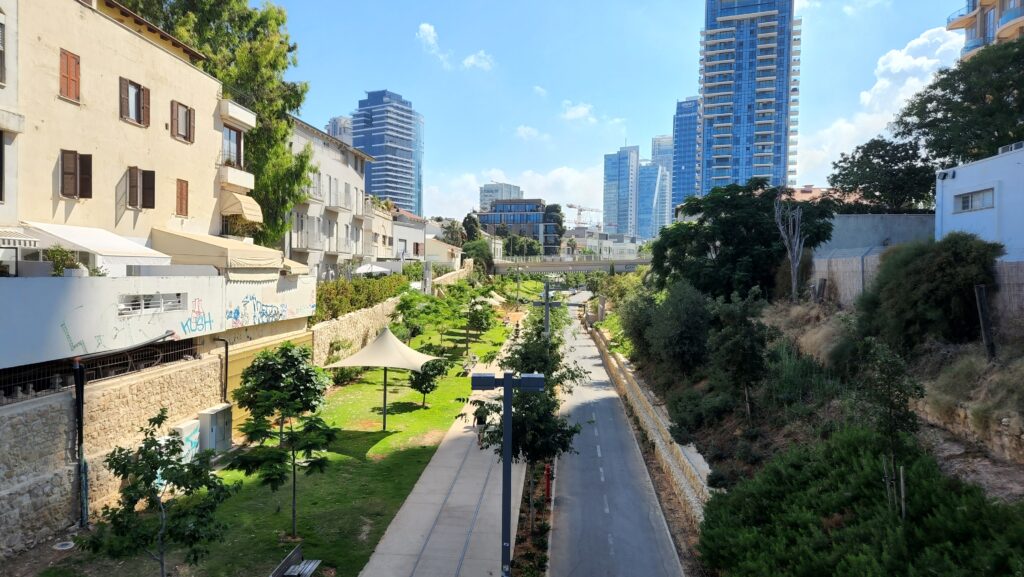
The German Colony Haifa stands as one of Israel’s most charming historic districts, where 19th-century European architecture meets modern Mediterranean culture. This pedestrian-friendly neighborhood stretches along Ben-Gurion Boulevard, showcasing meticulously restored Templer houses with their distinctive red-tiled roofs and limestone facades. Today, the former German settlement serves as Haifa’s cultural and dining hub, with dozens of restaurants, cafes, and boutiques occupying the original stone buildings. The neighborhood offers spectacular views of the Bahai Gardens.
The colony’s transformation from a religious agricultural settlement to a vibrant cultural district reflects broader changes in the region’s demographics and economy. While the original German inhabitants were deported during World War II, their architectural legacy and urban planning vision continue to define this corner of modern Haifa. The neighborhood attracts both international visitors and local residents who come to experience its distinctive European atmosphere and panoramic mountain views.
Historical Background
The German Colony’s history begins with the arrival of the Templers, a Protestant religious sect that broke away from the Lutheran Church in 1861. These German Christians believed that settling in the Holy Land would bring about the Second Coming of Christ and established their first colony in the Land of Israel in Haifa on July 1, 1868. The Templers chose this location strategically, recognizing Haifa’s potential as a major port city and its proximity to important Christian sites throughout the Holy Land.
Under the leadership of Georg David Hardegg, the Templers implemented revolutionary urban planning that introduced modern European concepts to the region. They designed their settlement around Ben-Gurion Boulevard, which runs north to south as the colony’s main thoroughfare, with perpendicular streets creating an organized grid pattern. This systematic approach to city planning was unprecedented and became a model for later urban development throughout the region.
The Templers’ agricultural and industrial innovations significantly modernized local practices. They established tile factories, introduced advanced farming techniques, and created various manufacturing enterprises that employed both German settlers and local Arab workers. By the end of the Ottoman era in 1917, the colony had grown to 750 inhabitants living in 150 houses, with dozens of thriving businesses contributing to Haifa’s economic development.
The colony’s story took a dark turn during the 1930s when rising German nationalism affected the community. By 1937, 34% of the Templers had become card-carrying members of the Nazi party, creating significant tension with British authorities and local Jewish residents. Nazi symbols and propaganda appeared throughout the colony, leading to increased scrutiny from British intelligence services.
World War II marked the end of the German presence in Mandatory Palestine. On July 31, 1941, British authorities deported 661 Templers from Haifa to internment camps in Australia via Egypt, effectively ending 73 years of German settlement. The departing Templers left behind their carefully constructed homes, businesses, and infrastructure, which were subsequently taken over by Jewish immigrants and Arab families. This mass deportation transformed the neighborhood’s character while preserving its distinctive architectural heritage.
Inside German Colony Haifa: What to See
Walking through German Colony Haifa today feels like stepping into a living museum of 19th-century urban planning. The neighborhood’s pedestrian-friendly streets and restored architecture create an intimate atmosphere that contrasts sharply with Haifa’s modern urban development. Visitors can explore the area’s historical layers while enjoying contemporary amenities housed within buildings that have stood for over 150 years.
The colony’s red-tiled roofs and panoramic setting provide some of Israel’s most photogenic streetscapes, particularly when viewed against the backdrop of the terraced Bahai Gardens climbing Mount Carmel’s slopes. Each building tells part of the Templer story through architectural details, German inscriptions, and adaptive reuse that honors the original construction while serving modern purposes.
Ben-Gurion Boulevard — The colony’s main pedestrian street runs north to south through the heart of the historic district, lined with perfectly preserved 19th-century Templer houses. These limestone buildings feature the characteristic red-tile roofs, green wooden shutters, and carved stone facades that define the neighborhood’s European character. Today, the boulevard bustles with outdoor cafes, restaurants, and boutiques that occupy the ground floors of former Templer residences. Visitors can stroll the length of the street while examining German inscriptions still visible on building facades and appreciating the meticulous urban planning that created this orderly, tree-lined thoroughfare.
Haifa City Museum — Housed in the original 1869 Templer community center building known as Beit Ha’am, this museum provides comprehensive coverage of Haifa’s development and Templer heritage. The building itself served as the colony’s school and cultural center, where German children received education and community members gathered for religious and social activities. The museum’s exhibitions detail Templer settlement history alongside broader narratives of Haifa’s transformation from Ottoman provincial town to major Israeli port city. Visitors can explore original classroom spaces and examine artifacts that illustrate daily life in the German colony.
Original Templer Houses — The neighborhood contains dozens of authentically restored Templer residences that showcase the settlers’ architectural preferences and building techniques. These structures feature thick limestone walls quarried from Mount Carmel, steep-pitched roofs designed to shed rain, and symmetrical facades that reflect German building traditions. Many houses retain their original German inscriptions above doorways, often featuring biblical verses or family names in Gothic script. The buildings’ adaptive reuse as restaurants, galleries, and shops allows visitors to experience their interior spaces while observing construction details like vaulted ceilings, stone archways, and traditional tile work.
Traditional Wine Cellars — Beneath many Templer houses lie stone-walled cellars that originally stored the colony’s agricultural products and household supplies. These subterranean spaces maintained consistent cool temperatures year-round, making them ideal for food storage in the Mediterranean climate. Several restaurants now use these historic cellars for wine storage and dining areas, with glass floor panels in some establishments allowing diners to peer into lower levels.
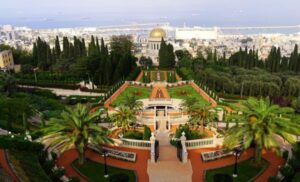
Bahai Gardens Viewpoint — The German Colony’s elevated position on Mount Carmel’s lower slopes provides spectacular views of the UNESCO World Heritage Bahai Gardens that climb the mountain’s face in 19 terraced levels. From various points along Ben-Gurion Boulevard, visitors can photograph the gardens’ geometric precision and golden-domed Shrine of the Bab against the Mediterranean backdrop. This vantage point was deliberately chosen by the Templers, who appreciated both the practical advantages of the hillside location and its symbolic significance for their religious mission in the Holy Land.
Architectural Details and German Inscriptions — Close examination of the colony’s buildings reveals the craftsmanship and cultural identity that German settlers brought to the Land of Israel. Stone carvers left their marks in decorative window frames, doorway lintels, and corner stones that display both functional and artistic elements. German biblical quotations, family names, and construction dates remain visible on many facades, offering glimpses into the religious motivation and family histories of the original inhabitants. These inscriptions, combined with architectural elements like dormer windows, half-timber detailing, and decorative ironwork, create an authentic European atmosphere that distinguishes this neighborhood from surrounding areas of Haifa.
Visiting German Colony Haifa: Practical Information
German Colony Haifa operates as a pedestrian zone with most attractions accessible daily. The neighborhood restaurants and cafes typically open from 10:00 AM until midnight, with some establishments closing earlier on Fridays for Shabbat. The Haifa City Museum maintains regular hours Tuesday through Thursday 10:00 AM to 4:00 PM, Friday 10:00 AM to 1:00 PM, Saturday 10:00 AM to 3:00 PM, and Sunday 10:00 AM to 2:00 PM, with admission fees of 25 NIS for adults.
The colony is located at Ben-Gurion Boulevard in Haifa’s Wadi Nisnas area, easily accessible by bus routes 21, 22, and 23 from central Haifa. Limited street parking is available on surrounding streets, though public transportation or taxi services provide more convenient access. For current museum schedules and special exhibitions, visit the official Haifa Municipality website. The best visiting times are late afternoon through evening when the neighborhood’s restaurants and cafes create a lively atmosphere under the illuminated historic facades.
Frequently Asked Questions
What are the opening hours for visiting German Colony Haifa?
German Colony Haifa operates as a public neighborhood with streets accessible 24 hours daily. Most restaurants and cafes open around 10:00 AM and close between 10:00 PM and midnight, with some closing earlier on Fridays for Shabbat. The Haifa City Museum maintains specific hours: Tuesday-Thursday 10:00 AM-4:00 PM, Friday 10:00 AM-1:00 PM, Saturday 10:00 AM-3:00 PM, and Sunday 10:00 AM-2:00 PM. The best time to visit is late afternoon through evening when the neighborhood’s dining establishments create an atmospheric setting under illuminated historic facades. Street lighting allows for pleasant evening strolls throughout the pedestrian areas.
How much does it cost to visit the German Colony and its attractions?
Walking through German Colony Haifa’s streets and viewing the historic architecture is completely free. The main cost is admission to the Haifa City Museum, which charges 25 NIS for adults and offers reduced rates for students and seniors. Dining at the neighborhood’s restaurants and cafes varies widely, with casual meals ranging from 40-80 NIS and upscale dining reaching 150+ NIS per person. Some establishments offer outdoor seating with no minimum purchase required for enjoying coffee or beverages. Parking on surrounding streets is typically free but time-limited during business hours. Most visitors spend 2-4 hours exploring the area, combining free architectural sightseeing with paid dining or museum experiences.
What happened to the original German settlers who built this colony?
The German Templers who established the colony in 1868 lived there for 73 years until World War II dramatically changed their circumstances. During the 1930s, 34% of the Templers became Nazi party members, creating significant tension with British authorities governing Mandatory Palestine. On July 31, 1941, British forces deported 661 Templers from Haifa to internment camps in Australia via Egypt, effectively ending the German presence. The deportees left behind their houses, businesses, and infrastructure, which were subsequently occupied by Jewish immigrants and Arab families. This mass deportation preserved the neighborhood’s architectural heritage while completely transforming its cultural character and demographics.
Can you still see original German inscriptions on the buildings?
Yes, many original German inscriptions remain visible on building facades throughout the colony, offering authentic glimpses into the Templer community’s identity and beliefs. These inscriptions typically appear above doorways and include biblical verses in Gothic German script, family names, and construction dates from the late 1800s. Some buildings display religious mottos or biblical quotations that reflected the Templers’ Protestant faith and their mission in the Holy Land. The stone-carved inscriptions have survived over 150 years due to the durable limestone construction and careful preservation efforts. Visitors can spot these German texts while strolling Ben-Gurion Boulevard and side streets, creating a unique linguistic archaeology experience in modern Israel.
What architectural features make the German Colony buildings distinctive?
German Colony buildings display characteristic European architectural elements adapted for Mediterranean climate conditions. The most recognizable features are steep-pitched red tile roofs designed to shed rainwater, thick limestone walls quarried from Mount Carmel, and symmetrical facades with green wooden shutters. Many houses feature decorative stone carving around windows and doorways, dormer windows projecting from roofs, and half-timber detailing that recalls traditional German construction. The buildings incorporate practical elements like stone cellars for cool storage and covered balconies for outdoor living. These architectural choices created a distinctly European atmosphere while addressing local climate needs, making the neighborhood unique within Israel’s urban landscape and easily distinguishable from surrounding Arab or Jewish architectural styles.
How does the German Colony connect to the Bahai Gardens views?
German Colony Haifa’s hillside location on Mount Carmel’s lower slopes provides some of the best viewpoints for photographing the UNESCO World Heritage Bahai Gardens. The Templers deliberately chose this elevated position in 1868, decades before the Bahai faith established their terraced gardens climbing the mountain face. From various points along Ben-Gurion Boulevard, visitors can capture stunning photographs of the gardens’ 19 geometric terraces leading up to the golden-domed Shrine of the Bab. The German Colony serves as an ideal foreground for garden photography, with red-tiled roofs and limestone buildings framing views of the precisely maintained landscapes above. This visual connection between German colonial architecture and Bahai sacred space creates one of Haifa’s most distinctive and photographed urban panoramas.
Sources and Further Reading
- German Colony, Haifa – Wikipedia — Comprehensive historical overview of the Templer settlement
- Swastikas in Jerusalem – German Colony Nazi Activity in the 1930s — Haaretz investigation into Nazi party branch operations in Jerusalem’s German Colony in the 1930s, with connections to Haifa colony
- A German colony in Jerusalem — Times of Israel article covering German Templer history, beginning with Haifa settlement in 1868 and expansion to other locations
- The Templers of Palestine — Times of Israel blog post detailing Templer settlement history including detailed coverage of Haifa German Colony development
- Walking tall on Haifa’s panoramic promenade — Times of Israel travel article featuring the German Colony’s red-tiled roofs and historical significance in Haifa’s development.
Nearby Sites
- Stella Maris Monastery: A Carmelite monastery and church located on Mount Carmel’s peak, offering panoramic Mediterranean views.
- Bahai Gardens and Shrine of the Bab: UNESCO World Heritage terraced gardens climbing Mount Carmel with free guided tours available.
- Wadi Nisnas: Adjacent multicultural neighborhood known for its Arab-Jewish coexistence and vibrant street art.
- Haifa Port and Maritime Museum: Israel’s largest port with exhibits covering Mediterranean maritime history and modern shipping.
- Mount Carmel National Park: Protected natural area featuring hiking trails, archaeological sites, and native Mediterranean forest.
- Elijah’s Cave: Traditional site where the prophet Elijah took refuge, located near the German Colony at Mount Carmel’s base.