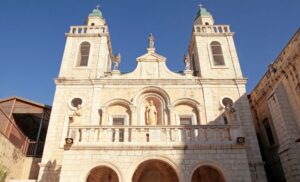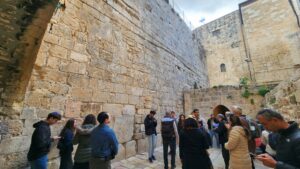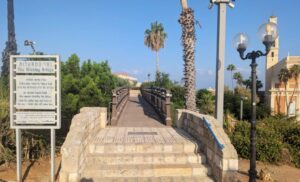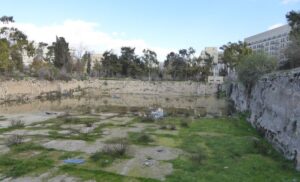
Dizengoff Square is a historic circular plaza in central Tel Aviv, built in 1934 and named for Zina Dizengoff, wife of the city's first mayor. It forms the centrepiece of Tel Aviv's UNESCO-listed White City Bauhaus district and is home to Yaacov Agam's iconic Fire and Water Fountain.
Israel has four distinct climate zones packed into a country roughly 470 kilometres from north to south. January is the coldest month, with temperatures as low as 5°C in the mountains, while August is the hottest, with highs reaching 38°C nationwide and above 46°C in Eilat. About 70 percent of annual rainfall falls between November and March; June through August are typically rainless.

Overview: what is Israel’s climate like?
Israel sits between the subtropical aridity of Egypt and the subtropical humidity of the eastern Mediterranean. Most of the country falls under a Mediterranean hot-summer climate, with hot, dry summers and cool, rainy winters. The mean annual temperature ranges from around 22°C in the north to 25°C in the south, according to climate records compiled by the Israel Meteorological Service.
Rainfall is sharply uneven. The Upper Galilee receives up to 1,128 mm per year, while Eilat, at the southern tip of the Negev, gets as little as 20 mm. The Dead Sea basin receives under 50 mm annually and averages 330 days of sunshine. That range, from Mediterranean coast to Negev desert to mountain snowfields, is what makes understanding Israel weather month by month so useful before planning a trip.
Israel formally contains four climate zones: the Mediterranean coast, the inland hill country, the Jordan Valley and Dead Sea basin, and the Negev and Arava desert. Each responds differently to the seasons, and a single week of travel can move a visitor through all of them.
Israel weather month by month: what does each month bring?
The twelve months divide naturally into three phases: a rainy winter (November to March), a dry spring shoulder (April to May), a hot rainless summer (June to September), and a cooling autumn (October to November). What each month delivers varies considerably by region.
January — January is the coldest month nationwide. Temperatures average 6 to 17°C depending on region, and Jerusalem, at an elevation of around 785 metres, receives approximately 137 mm of rainfall this month alone. Snow falls occasionally on Jerusalem, Safed, and the Golan Heights. Mount Hermon, Israel’s highest peak at 2,236 meters, typically has full snow cover and its ski resort draws visitors during the winter season. Eilat and the Dead Sea, by contrast, remain sunny, with January highs around 22°C in Eilat. Crowds across the rest of the country are thin, and hotel prices are at their lowest.
February — Temperatures rise slightly to an average of 11 to 19°C. The winter rains have turned the countryside green, and February is peak season for wildflowers: anemones carpet the Negev and Galilee, and the hillsides of the Upper Galilee are at their most colourful. Mount Hermon’s ski season continues. Visitor numbers remain low outside the ski area.
March — Spring arrives noticeably in March, with temperatures climbing to 14 to 21°C. Rainfall decreases markedly. Waterfalls in the Galilee and Golan run at peak flow, and trails through Ein Gedi nature reserve and along the Jesus Trail are at their most appealing. Passover falls in late March in some years, which brings domestic tourism, price increases, and crowding at major sites.
April — April averages 17 to 25°C with very little rainfall and lush post-winter landscapes. Passover and Easter typically fall in April, creating a festive atmosphere in Jerusalem and Bethlehem but also causing significant crowding and hotel price spikes. The Jewish Virtual Library’s climate data for major cities confirms April as the last reliably green month before summer dryness sets in. Booking accommodation several months ahead is essential.
May — A favourite shoulder month: temperatures of 21 to 28°C, near-zero rainfall, and lighter crowds than April. Mediterranean beaches are warm enough for swimming without the intense summer heat. The UV index rises sharply in May, so sun protection is necessary from mid-morning onward.
June — Rainfall drops to essentially zero. Coastal temperatures average 24 to 30°C, with higher readings inland and in the desert. Daylight extends to about 14 hours, which suits early-morning touring followed by afternoon shade or sea swimming. The hamsin wind can blow during June, pushing temperatures several degrees above the seasonal norm for days at a time.
July and August — The hottest months. National average highs run 31 to 37°C, while the Negev and Dead Sea region regularly exceed 40°C. Eilat can reach 46°C in August. No rainfall occurs anywhere in the country. Mediterranean sea temperatures reach 26 to 29°C, ideal for swimming. The UV index peaks at 12. This is Israel’s peak domestic holiday and international tourism season, with maximum crowds and prices at resorts, hotels, and popular sites. Desert hiking should be limited to the hour after sunrise.
September — Temperatures begin cooling to an average of 25 to 31°C while the sea remains warm. Rainfall is still essentially zero. Post-summer crowds thin after the school year resumes. The Jewish High Holidays, including Rosh Hashanah and Yom Kippur, typically fall in September or October. On Yom Kippur, the country shuts down entirely: no public transport, no open businesses, and no private vehicles on most roads.
October — October is frequently called Israel’s golden month. Temperatures drop to a comfortable 22 to 28°C, rainfall is minimal, Mediterranean sea temperatures hold at around 26°C, and crowds are moderate. Sukkot (the Feast of Tabernacles) falls in late September or October, bringing outdoor markets and public celebrations. Hiking, beach days, and city sightseeing are all viable simultaneously. The combination of post-summer calm and pre-winter warmth makes October a practical choice for almost any kind of travel.
November — Mild temperatures of 17 to 23°C and the first autumn rains in the north and centre mark November. Crowds are low and prices fall. The Negev and Eilat are dry and clear, making them excellent for desert hiking and photography. The landscape in the Galilee begins to green again after months of dry brown.
December — Temperatures average 12 to 17°C nationwide, with Jerusalem occasionally receiving snow. The rainy season is fully underway in the north. Eilat and the Dead Sea remain warm and sunny. Christmas in Jerusalem and Bethlehem draws large numbers of Christian pilgrims, and Hanukkah, usually in December, brings public menorah lightings at the Western Wall and in city squares throughout the country.
How does Israel’s climate vary by region?
Israel’s four climate zones produce very different conditions even within a single season. Understanding regional variation is as important as knowing the month.
Mediterranean coast (Tel Aviv, Haifa, Netanya) — The coast has long, hot, and humid summers averaging 28 to 32°C, moderated by sea breezes, and mild rainy winters averaging 10 to 18°C. Annual rainfall runs 500 to 700 mm, concentrated between November and March. Sea temperatures range from 18°C in February to 29°C in August. Jerusalem and the hill country — Jerusalem sits at approximately 785 metres elevation, making summers several degrees cooler than the coast (average highs of 29 to 30°C) and winters colder, with lows near freezing and occasional snow in January and February. Annual rainfall is around 550 mm. The elevation provides relief from coastal summer humidity, which many visitors find significant. Galilee and the north — The wettest region in Israel, with Upper Galilee recording up to 1,128 mm of annual rainfall. Summers are temperate, with Safed averaging around 24°C in summer. The Sea of Galilee warms to 28 to 30°C by August. Winters are cool and can be cold in the mountains. Spring wildflower displays here are among the country’s most impressive. Negev desert and the Dead Sea region — Arid to hyper-arid conditions prevail. The Dead Sea sits at roughly 430 metres below sea level, receives under 50 mm of rain per year, and gets 330 days of sunshine annually. Summer temperatures range from 32 to 40°C. The thick atmosphere at that depth filters some UV radiation, which is a notable feature for visitors spending time at the shore. Eilat, on the Red Sea, has hot desert conditions year-round: January highs of 22°C make it viable for swimming even in winter, while August highs average 40°C.
Frequently Asked Questions
What is the coldest month in Israel?
January is the coldest month in Israel, with temperatures averaging 5 to 10°C in mountain areas and 6 to 17°C nationwide. Jerusalem, at around 785 metres elevation, receives approximately 137 mm of rain in January and can experience snowfall. Eilat remains warm in January, with average highs around 22°C.
Which month is the hottest in Israel?
August is the hottest month nationwide, with average highs of 31 to 37°C. Eilat regularly exceeds 40°C in August, with maximum temperatures recorded at 46°C. The Dead Sea region runs 32 to 40°C. No rainfall occurs anywhere in the country during August.
Does it snow in Israel?
Snow falls occasionally in Jerusalem (roughly once or twice per winter, mainly January to February) and more reliably on the Golan Heights and Mount Hermon. Mount Hermon, at 2,040 metres, receives around 50 days of snowfall per year and operates Israel’s only ski resort. The coastal plain and Eilat essentially never see snow.
Is it worth visiting Israel in summer?
Summer suits Mediterranean beach holidays: sea temperatures reach 26 to 29°C and daylight extends to 14 hours. Desert and archaeological site touring is physically demanding above 38°C. Limiting outdoor activity to early morning (before 9:00) and late afternoon is necessary in the Negev and Dead Sea region during July and August.
What is the best month to visit Israel?
October is consistently the most practical month: temperatures of 22 to 28°C, near-zero rainfall, warm sea (around 26°C), and moderate crowds. May is a strong alternative for those wanting spring landscapes without Passover congestion. Both months offer comfortable conditions across the Mediterranean coast, Jerusalem, and the Galilee simultaneously.
Can you swim in Eilat in winter?
Yes. Eilat’s Red Sea water temperature remains warm enough for comfortable swimming year-round. January sea temperatures in Eilat stay above 20°C, and January air highs average 22°C. Eilat’s hot desert climate means it receives less than 20 mm of annual rainfall in total, making winter sun holidays here reliable.
Sources and Further Reading
- Israel Meteorological Service – Official Website: Official national authority for Israeli weather forecasts, climate data, historical normals, and extreme weather alerts. Founded 1937, headquartered in Beit Dagan.
- Sea Level Pressure Departures in the Mediterranean and their Relationship with Monthly Rainfall Conditions in Israel: Peer-reviewed academic paper (Springer/Theoretical and Applied Climatology) analyzing monthly rainfall conditions across 12 stations in Israel over 30 years (1961–1990), defining each month as dry, normal, or wet, and examining how the rainy season begins in October and ends in April.
- Israel Environment & Nature: Climate: Covers Israel’s two distinct seasons (rainy winter November–May and dry summer), regional climate variations by geography (coast, hills, Jordan Valley, Negev), and a month-by-month temperature and rainfall data table for major Israeli cities including Safad, Haifa, Tiberias, Tel Aviv, Jerusalem, Beer Sheva, and Eilat.
- Israel – Climate (Mediterranean, Arid, Semi-arid): Authoritative encyclopedia overview of Israel’s climate, covering the two main seasons (cool rainy October–April and dry hot May–September), precipitation ranges from 1 inch/year in the south to 44 inches/year in the Upper Galilee, and monthly temperature ranges for coastal and desert regions.