Rothschild Boulevard is a major street in central Tel Aviv, stretching from Neve Tzedek to Habima Theatre. This historic boulevard was the site where Israel's Declaration of Independence was signed on May 14, 1948. It features iconic Bauhaus architecture and tree-lined pedestrian paths, making it a cultural and architectural landmark in Tel Aviv's White City.
Rothschild Boulevard Tel Aviv is one of the principal streets in the center of Tel Aviv, running from the historic Neve Tzedek neighborhood to the Habima Theatre. This iconic boulevard holds the distinction of being the location where Israel’s Declaration of Independence was signed on May 14, 1948, at Independence Hall. Originally established in 1909 as Rehov HaAm (Street of the People), the boulevard was renamed in December 1910 to honor Baron Edmond James de Rothschild, the French banker and philanthropist who supported early Jewish settlement in Palestine.
The boulevard forms part of Tel Aviv’s White City, designated as a UNESCO World Heritage Site due to its remarkable concentration of Bauhaus and International Style buildings. Today, it serves as both the heart of Tel Aviv’s financial district and a living museum of early 20th-century architecture, featuring a distinctive wide central strip lined with towering Ficus trees alongside dedicated pedestrian and cycling lanes.
Historical Background
The story of Rothschild Boulevard begins with Tel Aviv’s founding in 1909, when the street was initially conceived as Rehov HaAm during the establishment of the first Hebrew city. Within just one year, city planners recognized the need to honor Baron Edmond James de Rothschild, whose financial support had been instrumental in developing Jewish settlements throughout Palestine during the late 19th and early 20th centuries.
The boulevard’s most defining moment came on May 14, 1948, when David Ben-Gurion stood in what is now known as Independence Hall and declared the establishment of the State of Israel. This historic building, originally the home of Tel Aviv’s first mayor Meir Dizengoff, transformed an elegant residential boulevard into the birthplace of modern Israel. The ceremony took place just hours before the British Mandate was set to expire, making this location forever significant in Jewish and Israeli history.
During the 1920s and 1930s, the boulevard became a showcase for the Bauhaus architectural movement as European Jewish architects, many fleeing Nazi persecution, brought International Style principles to Tel Aviv. This influx of architectural innovation contributed to the creation of what would later become recognized as the White City, with over 4,000 Bauhaus-style buildings constructed throughout the city center. The boulevard’s urban design reflected broader themes of modernization and national identity, as documented in academic studies examining how urban planning served both practical and symbolic purposes in the developing Jewish homeland.
In the decades following Israeli independence, Rothschild Boulevard evolved into the country’s premier financial district. Major banking institutions established their headquarters along the street, creating a unique juxtaposition between historic Bauhaus residences and modern glass towers. This transformation reflects Tel Aviv’s emergence as Israel’s economic capital while preserving its architectural heritage.
Inside Rothschild Boulevard Tel Aviv: What to See
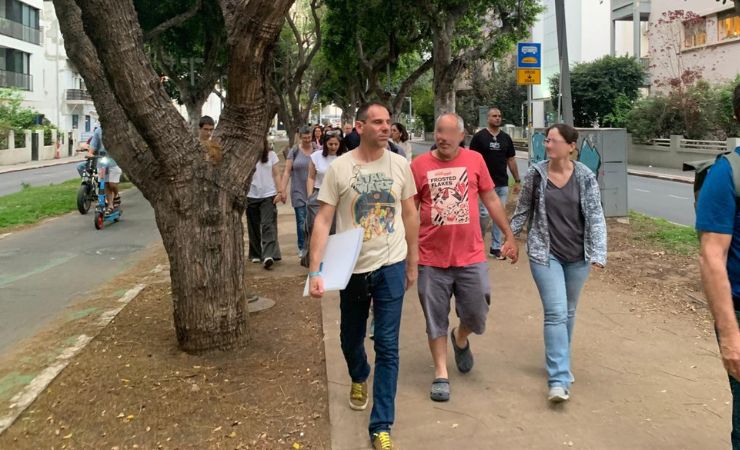
Walking along Rothschild Boulevard provides visitors with a journey through nearly a century of Israeli history and architectural evolution. The boulevard’s distinctive character comes from its wide central pedestrian promenade, shaded by mature Ficus trees that create natural corridors between the historic buildings and modern financial towers. The tree-lined walkway serves as both a practical pathway and a social gathering space, where locals exercise, walk their dogs, and gather in the evening hours.
The architectural diversity along the boulevard tells the story of Tel Aviv’s development, from intimate Bauhaus apartments to imposing bank headquarters. Each building represents a different era in the city’s growth, creating an outdoor museum of 20th and 21st-century design principles.
Independence Hall — The most historically significant site on Rothschild Boulevard, Independence Hall occupies the former residence of Tel Aviv’s first mayor, Meir Dizengoff. On May 14, 1948, this modest building hosted one of the most important moments in modern Jewish history when David Ben-Gurion read Israel’s Declaration of Independence to a gathered assembly. The hall has been preserved as it appeared on that historic day, with the original podium, microphones, and seating arrangement maintained for visitors. The museum displays artifacts from the independence ceremony, including photographs of the attendees and copies of the declaration signed that afternoon.
Bauhaus Architecture — The boulevard showcases some of Tel Aviv’s finest examples of Bauhaus and International Style architecture, contributing to the area’s UNESCO World Heritage designation. These buildings, constructed primarily in the 1920s and 1930s, feature the movement’s characteristic clean lines, functional design, and integration with Mediterranean climate considerations. Notable examples include residential buildings with distinctive horizontal windows, curved balconies, and flat roofs designed to provide outdoor living spaces. The architectural style represents the practical and ideological aspirations of European Jewish immigrants who sought to create a modern, egalitarian society in their new homeland.
Lederberg House — Located at the intersection with Allenby Street, this 1925 building stands out for its decorative ceramic murals created by Ze’ev Raban. The artwork incorporates biblical verses from Jeremiah 31:4, connecting the building’s artistic elements to Jewish textual tradition. Raban’s ceramic work represents the Bezalel art movement, which sought to create a distinctly Jewish artistic style by combining European techniques with Middle Eastern motifs and Hebrew calligraphy. The building serves as an example of how early Tel Aviv architecture integrated artistic and cultural elements beyond purely functional considerations.
Financial District — Modern skyscrapers housing major banking institutions create a dramatic contrast with the historic Bauhaus buildings. The First International Bank Tower and HSBC offices represent Tel Aviv’s role as Israel’s financial capital, with their glass and steel construction standing alongside the more intimate scale of 1930s residential architecture. This juxtaposition illustrates the boulevard’s continued relevance as a center of Israeli economic life, while preserving its historical character. The financial buildings employ contemporary architectural principles while respecting the boulevard’s pedestrian-friendly scale through ground-floor retail spaces and setbacks that maintain the street’s human proportions.
Art Galleries — Several contemporary art spaces operate along the boulevard, including the Alon Segev Gallery, Rothschild49 Art Gallery, and Sommer Contemporary Art. These galleries specialize in Israeli and international contemporary art, often featuring works that engage with themes of Israeli identity, Middle Eastern politics, and Jewish culture. The galleries contribute to the boulevard’s cultural vitality by hosting exhibitions, artist talks, and cultural events that draw both local residents and international visitors. Their presence continues the street’s tradition as a center of cultural innovation that began with the architectural experiments of the 1930s.
Habima Theatre — At the northern terminus of the boulevard stands Israel’s national theatre, founded in 1918 and relocated to its current site in 1945. The theatre building, designed in the International Style, serves as both an architectural landmark and a cultural institution that has shaped Israeli performing arts for over a century. Habima’s programming includes Hebrew-language productions of classical and contemporary works, making it a vital center for Israeli cultural expression. The theatre’s location at the end of Rothschild Boulevard symbolically connects the street’s historical significance with ongoing cultural creativity.
Focus on Independence Hall
The story of Independence Hall reflects the complex evolution of Israeli national memory and institutional priorities. The building began as the private residence of Meir Dizengoff, Tel Aviv’s founding mayor, constructed in the early 1930s in the International Style characteristic of the period. After Dizengoff’s death in 1936, his widow Helena donated the house to the city with the stipulation that it serve as the Tel Aviv Art Museum. The building operated as the city’s primary art gallery until that historic afternoon in May 1948 when Ben-Gurion chose this location to declare Israeli independence, primarily because it offered the largest available hall with suitable acoustics for the ceremony.
Following the independence declaration, the building continued as an art museum until the 1970s, when it was converted into a national memorial museum dedicated to preserving the independence ceremony. The transformation included recreating the exact room arrangement from May 14, 1948, with original furniture, microphones, and seating positioned as they appeared during the historic event. However, since falling under the administrative responsibility of the Prime Minister’s Office, the site has suffered from chronic underfunding and neglect. Today, visitors often encounter peeling paint, outdated displays, and limited operating hours that fail to match the site’s historical significance.
Current government plans call for a comprehensive renovation and expansion of Independence Hall, including improved museum facilities, enhanced accessibility, and extended public programming. The proposed development would restore the building’s dignity while creating educational spaces capable of accommodating the thousands of visitors who seek to experience this foundational moment in Israeli history.
Visiting Rothschild Boulevard Tel Aviv: Practical Information
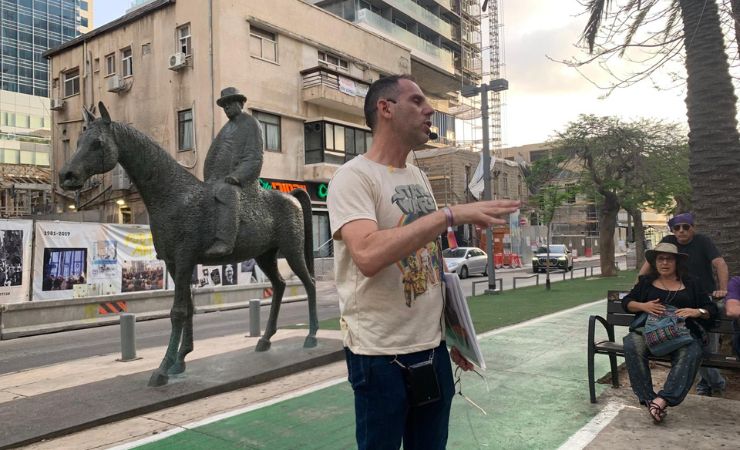
Rothschild Boulevard is bustling location, accessible 24 hours daily. The best time to experience the boulevard is during early evening hours when locals gather in the central promenade and the Ficus trees provide pleasant shade. Many of the art galleries operate Tuesday through Saturday with varying hours, so visitors interested in the cultural venues should check individual gallery websites before arriving.
Additional Information
- Urban design in the context of globalization and nationalism: Rothschild Boulevards, Tel Aviv — Academic paper examining the unique role played by urban design in Tel Aviv city centre within the context of glocalization and nationalism, focusing on Rothschild Boulevard
- Wikipedia – Rothschild Boulevard — Comprehensive overview of the boulevard’s history, architecture, and significance
- Wikipedia – Independence Hall (Israel) — Details about the historic site where Israel’s independence was declared
- Tel Aviv–Yafo — Britannica encyclopedia entry covering Tel Aviv’s history, architecture, and development, including references to its urban planning and White City designation
- White City | buildings, Tel Aviv–Yafo, Israel — Britannica entry specifically about the White City buildings in Tel Aviv, which includes the Rothschild Boulevard area and its Bauhaus architecture.
Nearby Sites
- Neve Tzedek Tel Aviv: Historic neighborhood at the southern end of Rothschild Boulevard, featuring restored 19th-century buildings and artisan workshops.
- Carmel Market: Bustling outdoor market offering fresh produce, spices, and local street food just a few blocks from the boulevard.
- Bialik Street: Cultural street featuring the former homes of national poet Haim Nahman Bialik and author Ahad Ha’am, now serving as museums.
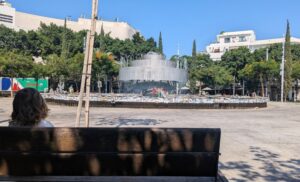
- Dizengoff Square: Modernist public square designed in the 1930s, representing Tel Aviv’s urban planning ideals of the Mandate period.
- Tel Aviv Museum of Art: Israel’s leading art museum, located within walking distance and featuring extensive collections of Israeli and international art.
- Nachalat Binyamin: Pedestrian street hosting a popular arts and crafts market on Tuesdays and Fridays, showcasing contemporary Israeli design.
Keep reading
Part of our Tel Aviv & Jaffa Guide →