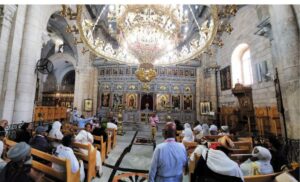
Park HaTachana occupies the site of the first railway station in present-day Israel, originally built in 1892 as the terminus for the Jaffa-Jerusalem railway. Located between Tel Aviv Beach and the historic Neve Tzedek neighborhood, this cultural complex showcases meticulously restored Ottoman, German Templar and Turkish buildings from the late 19th century. The name HaTachana means “The Station” in Hebrew, reflecting its origins as the historic Jaffa railway station that operated until 1948.
Overview
Today’s Park HaTachana represents a successful transformation of historic infrastructure into a vibrant cultural destination. The official Park HaTachana website details how the Tel Aviv-Yafo Municipality initiated a comprehensive restoration project in 2004, which was completed and reopened as an entertainment venue between 2009-2010. Visitors can explore original railway buildings, browse contemporary art galleries, shop at designer boutiques, and experience two distinctive weekly markets.
The complex serves as a bridge between Tel Aviv’s modern beachfront and the charming cobblestone streets of Neve Tzedek, one of the city’s oldest neighborhoods. The preserved railway infrastructure, including original tracks and platforms, has been seamlessly integrated into the park’s design, creating a unique blend of historical preservation and contemporary urban planning.
Historical Background
The Jaffa railway station opened in 1892 as the coastal terminus of an ambitious railway project connecting the ancient port city of Jaffa to Jerusalem. This engineering achievement reduced travel time between the two cities from a grueling two-day journey by horse or camel to just a few hours by train. The railway played a crucial role in facilitating pilgrimage to the Holy Land, as well as supporting the growing Jewish immigration to Ottoman Palestine in the early 20th century.
The station complex included not only the main terminal building but also supporting infrastructure built by German Templars, a Christian religious movement that established colonies throughout Ottoman Palestine in the late 19th century. These German settlers contributed significantly to the architectural character of the area, constructing sturdy stone buildings that exemplified European construction techniques adapted to the Mediterranean climate.
Railway operations continued through the British Mandate period, serving both passenger and freight traffic. However, following Israeli independence in 1948, railway services were relocated to accommodate the new state’s transportation needs, leaving the original station buildings unused for decades. The complex gradually fell into disrepair until the municipal restoration project breathed new life into these historic structures.
Inside Park HaTachana: What to See
The restored complex maintains the authentic character of the original railway station while accommodating modern cultural and commercial activities. Visitors can walk along preserved railway tracks that now serve as pedestrian pathways, connecting various buildings and courtyards throughout the site. The integration of historic railway infrastructure with contemporary amenities creates a distinctive atmosphere that honors the site’s transportation heritage.
Original Railway Station Building — The 1892 terminus building stands at the park’s entrance, showcasing authentic Ottoman-era architectural details that have been carefully restored. This structure housed the original ticket office, waiting areas, and administrative offices during the railway’s operational period. Today, visitors can examine the building’s thick stone walls, arched windows, and traditional tile work that exemplify late 19th-century construction techniques in the region.
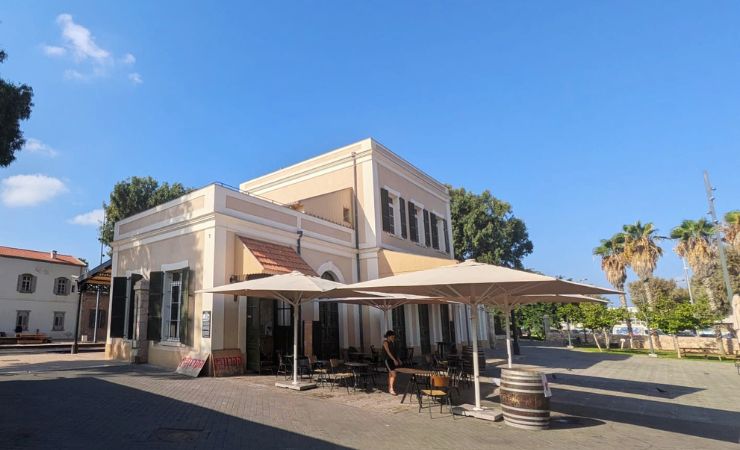
Historic Railway Carriage with Multimedia Experience — An original train car from the Jaffa-Jerusalem line features an immersive multimedia presentation that brings the railway’s history to life. The carriage contains holograms, 3D videos, and carefully designed sound effects that transport visitors back to the station’s operational era. This interactive experience provides context about the railway’s significance in connecting coastal and inland Palestine during the late Ottoman and British Mandate periods.
Preserved Railway Tracks and Platforms — The original train tracks have been preserved and integrated into the park’s design, with wooden walkways constructed between the rails to allow safe pedestrian access. These tracks serve as a central spine running through the complex, connecting different areas while maintaining the site’s railway identity. The platforms where passengers once waited for trains to Jerusalem now provide elevated viewing areas and gathering spaces for cultural events.
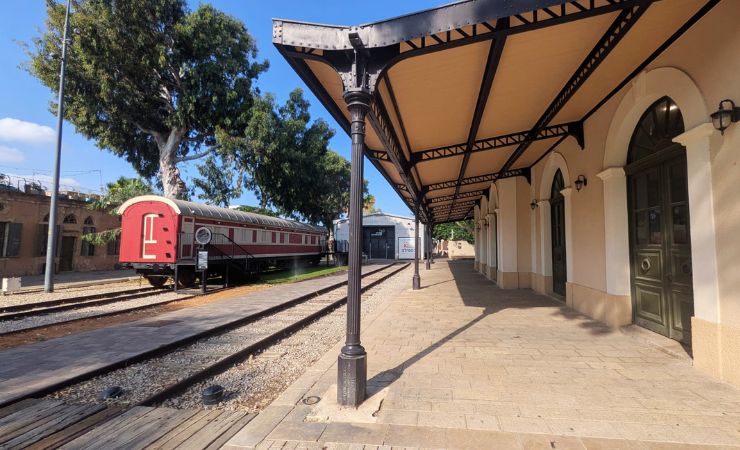
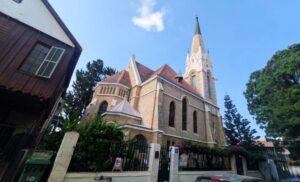
German Templar Buildings — Several restored late 19th-century structures built by German Templar settlers showcase distinctive European architectural elements adapted to the local environment. The complex includes the former Wieland family factory and residential building, which demonstrate the German community’s contribution to the area’s development. These buildings feature thick stone construction, high ceilings for natural cooling, and functional designs that served both industrial and domestic purposes.
Art Galleries and Boutiques — Contemporary and traditional Israeli art spaces occupy many of the historic buildings, creating an engaging dialogue between old and new. Local and international artists display paintings, sculptures, and mixed media works in spaces that once served railway operations. Designer boutiques offering Israeli fashion, jewelry, and crafts provide visitors with opportunities to purchase locally-made goods while exploring the restored architecture.
Thursday Night Unique Market — Each Thursday evening from 7 PM to midnight, the park transforms into a vibrant marketplace featuring local designers and artists. This weekly event combines shopping with entertainment, as live music performances create a festive atmosphere throughout the complex. The market specializes in handcrafted items, original artworks, and unique fashion pieces that reflect contemporary Israeli creativity.
Friday Morning Orbanic Market — From 8 AM to 2 PM each Friday, an urban organic market takes over the central areas of the park, focusing on eco-friendly and sustainable products. Vendors offer organic produce, natural cosmetics, environmentally conscious household goods, and artisanal food products. This market appeals to health-conscious visitors and those interested in supporting sustainable business practices in Israel.
Wieland family factory
The Wieland family factory represents one of the most significant German Templar contributions to the railway station complex. The German Templars, a Protestant religious community founded in 1861, established colonies starting in 1868, believing their settlement would hasten the Second Coming of Christ. They founded seven colonies, including settlements in Jaffa, Haifa, and Jerusalem, bringing with them advanced European agricultural techniques, industrial methods, and architectural styles.
The Wieland family, prominent members of the German Templar community in Jaffa, constructed their factory and residential buildings near the railway station in the 1890s. The factory produced goods that served both the German colony, utilizing European manufacturing techniques and machinery. The building’s sturdy stone construction, high ceilings, and functional design reflected German engineering principles adapted to the Mediterranean climate, creating structures that could serve both industrial and residential purposes.
During World War II, the British Mandate authorities classified German Templars as enemy aliens and deported most of the community to internment camps in Australia. The Wieland factory and other German Templar properties were abandoned or transferred to other ownership. Following Israeli independence in 1948, the new state acquired many former German properties, including the Wieland buildings. Today, the restored Wieland factory houses galleries, shops, and cultural spaces, preserving the architectural legacy of the German Templar community while serving contemporary visitors to Park HaTachana.
Practical Information
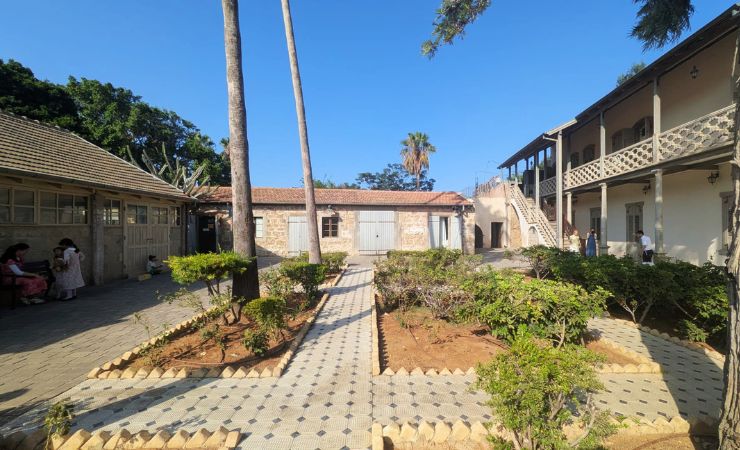
Park HaTachana is open daily with individual shops, galleries, and restaurants maintaining their own operating hours. The complex is located at Neve Tzedek, Tel Aviv-Yafo, easily accessible by foot from Tel Aviv’s central beach area or the historic Neve Tzedek neighborhood. Free parking is available in surrounding streets, though spaces can be limited during market days and evening events. The Park HaTachana official website provides current information about special events, market schedules, and individual business hours. Visitors should plan extra time on Thursday evenings and Friday mornings to fully experience the weekly markets.
Additional Information
- Park HaTachana — Official Website — Official site
- Wikipedia – Jaffa railway station — Comprehensive historical information about the original railway station
What are the opening hours for Park HaTachana?
Park HaTachana is open daily, though individual shops, galleries, and restaurants maintain their own operating schedules. The Thursday night Unique market runs from 7 PM to midnight, while the Friday morning Orbanic market operates from 8 AM to 2 PM. Check the official website for specific business hours and special event schedules.
Is there an admission fee to enter Park HaTachana?
Entry to Park HaTachana itself is free of charge. Visitors can walk through the complex, view the exterior architecture, and explore the preserved railway tracks without cost. Individual attractions like the multimedia railway carriage experience, art galleries, shops, and restaurants may have their own pricing.
Can I see the original train that operated on the Jaffa-Jerusalem railway?
Yes, an original railway carriage from the historic Jaffa-Jerusalem line is preserved on site and features a multimedia experience. The carriage contains holograms, 3D videos, and sound effects that tell the story of the railway’s operation from 1892 to 1948.
What makes the German Templar buildings at Park HaTachana historically significant?
The German Templar buildings represent the architectural contribution of German Christian settlers who established colonies in Palestine during the late 19th century. These structures, including the Wieland family factory and residence, demonstrate European construction techniques adapted to the Mediterranean climate and showcase the multicultural development of the Jaffa area.
Is parking available at Park HaTachana?
Free street parking is available in the surrounding Neve Tzedek neighborhood, though spaces can be limited during market days and evening events. The complex is easily accessible on foot from Tel Aviv’s central areas, and many visitors combine their visit with exploring the nearby beach or Neve Tzedek’s historic streets.
What type of items can I find at the Thursday and Friday markets?
The Thursday night Unique market specializes in locally-designed fashion, handcrafted jewelry, original artwork, and unique home goods created by Israeli designers and artists. The Friday morning Orbanic market focuses on organic produce, eco-friendly products, natural cosmetics, and artisanal food items that emphasize sustainability and health-conscious living.
Nearby Sites
Suzanne Dellal Centre –Israel’s premier contemporary dance center, established in 1989 in Tel Aviv’s historic Neve Tzedek neighborhood.
Carmel Market Tel Aviv – Israel’s largest and busiest marketplace, operating in central Tel Aviv since 1920.
Rothschild Boulevard Tel Aviv – One of the principal streets in the center of Tel Aviv.
Old Jaffa Port – one of the world’s oldest continuously operating harbors.
Keep reading
Part of our Tel Aviv & Jaffa Guide →