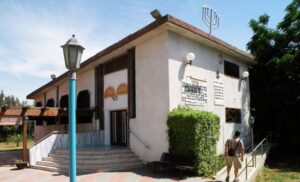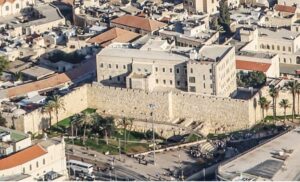
Mary's Well in Nazareth marks the site where, according to the apocryphal Gospel of James, Archangel Gabriel appeared to Mary and announced the Annunciation. Also called the Fountain of the Virgin, this spring served as Nazareth's primary water source for centuries and remains a significant pilgrimage destination for Christians visiting the Holy Land.
Mary’s Well Nazareth, also known as the Fountain of the Virgin, represents one of the most venerated sites in Christian tradition. According to the apocryphal Gospel of James, this ancient spring marks the location where Archangel Gabriel appeared to Mary, mother of Jesus, announcing the Annunciation.
Location
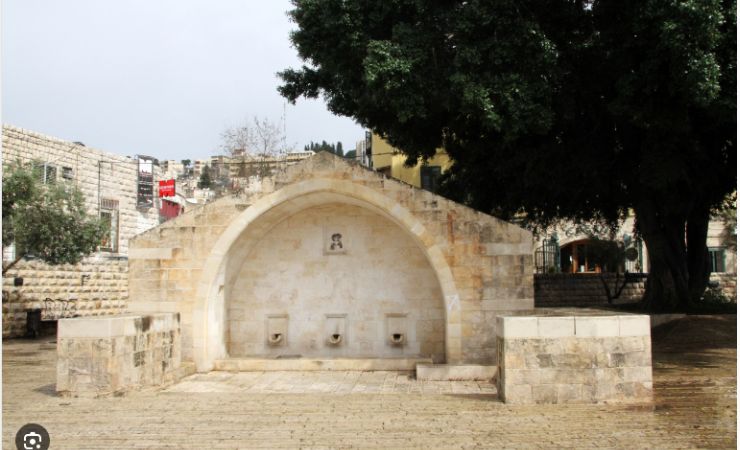
Mary’s Well Nazareth sits in the lower part of modern Nazareth, approximately 200 meters northeast of the renowned Basilica of the Annunciation. The fountain rests directly below the Greek Orthodox Church of St Gabriel on Al-Bishara Street. The well connects to an underground spring that has provided water to Nazareth residents for over two millennia.
Biblical Context
The tradition connecting Mary’s Well Nazareth to the Annunciation stems from the Protoevangelium of James, a second-century apocryphal text that provides detailed accounts of Mary’s early life. According to this narrative, the angel Gabriel first appeared to Mary at the well as she drew water, delivering his initial greeting before the full Annunciation occurred later at her home.
This account differs from the canonical Gospel of Luke, which places the Annunciation directly in Mary’s house. However, the tradition at Mary’s Well has persisted throughout centuries of Christian pilgrimage, reflecting the importance early Christians placed on identifying specific locations where biblical events might have occurred. The well tradition emphasizes the everyday nature of Mary’s life, portraying her engaging in the common task of water collection when the divine encounter began.
And she took the pitcher and went forth to draw water, and behold, a voice said: ‘Hail Mary, full of grace, you are blessed among women.
Protoevangelium of James
The Infancy Gospel of Thomas, another apocryphal text from the second century, adds additional layers to the well’s significance by describing episodes from Jesus’ childhood at this location. The text recounts how the young Jesus performed miracles here, including the famous story where he broke Mary’s water jar but miraculously gathered the spilled water in his cloak, demonstrating his divine nature even as a child.
These apocryphal traditions, while not part of canonical scripture, shaped centuries of Christian devotion and pilgrimage to Nazareth.


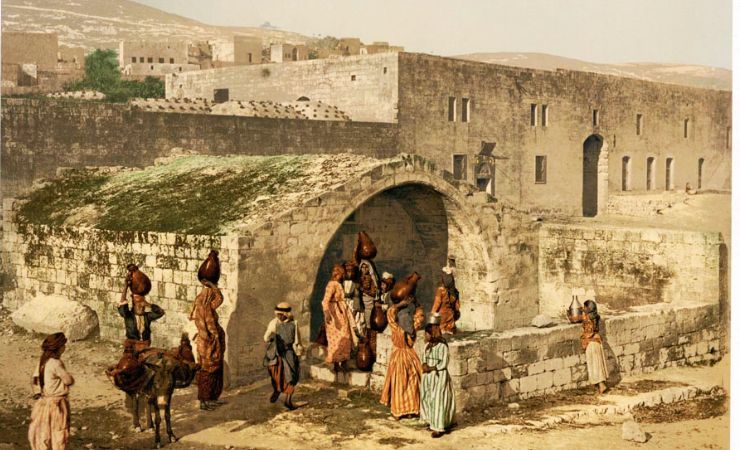
Mary's Well Today
The ancient spring that supplied Mary’s Well Nazareth flowed continuously for nearly two millennia until the natural water source dried up in the 1990s. Municipal authorities now supply water to the fountain through modern pipes, maintaining its function for symbolic and ceremonial purposes. However, maintenance challenges have affected the site’s condition, with cleanliness varying depending on municipal attention and pilgrim traffic.
The current structure reflects significant renovations completed during the 20th century to accommodate increasing religious tourism:
1967 Renovation: The first major reconstruction modernized the well’s infrastructure while preserving its traditional appearance. This renovation coincided with growing international pilgrimage following the Second Vatican Council.
2000 Renovation: A comprehensive restoration project enhanced accessibility and durability for the new millennium. The renovation included improved stonework, better drainage, and clearer signage to help the thousands of annual visitors understand the site’s religious significance.
Practical Information
Practical visitor information for Mary’s Well Nazareth includes free access throughout daylight hours, though no formal opening schedule exists.
Additional Information
Where exactly is Mary’s Well located in Nazareth?
Mary’s Well Nazareth is located on Al-Bishara Street in lower Nazareth, directly below the Greek Orthodox Church of St Gabriel. The site sits approximately 200 meters northeast of the Basilica of the Annunciation, making it easily accessible on foot from other major religious sites in the city center.
Is Mary’s Well the same as the Basilica of the Annunciation?
No, Mary’s Well and the Basilica of the Annunciation are separate sites representing different Christian traditions about the location of the Annunciation. Mary’s Well follows the Eastern Orthodox tradition from the apocryphal Gospel of James, while the Basilica represents the Catholic tradition based on the canonical Gospel of Luke. Both sites are located within walking distance of each other in Nazareth.
Can visitors drink water from Mary’s Well?
The original spring that fed Mary’s Well dried up in the 1990s, and the current water supply comes through municipal pipes. While water is present for symbolic purposes, the site’s maintenance can vary, and drinking the water is generally not recommended. Visitors typically come for spiritual reflection rather than practical water collection.
What is the best time to visit Mary’s Well Nazareth?
Mary’s Well is accessible throughout daylight hours year-round with no admission fee. Early morning or late afternoon visits often provide quieter experiences for prayer and reflection. The site can become crowded during major Christian holidays like Christmas and Easter, as well as during peak pilgrimage seasons in spring and fall.
What does the Gospel of James say about Mary’s Well?
The Protoevangelium of James, a second-century apocryphal text, describes the angel Gabriel first approaching Mary at the well while she was drawing water. According to this account, the angel greeted her with “Hail Mary, full of grace, you are blessed among women” before the full Annunciation occurred later at her home. This tradition differs from the canonical Gospel of Luke, which places the entire Annunciation in Mary’s house.
Nearby Sites
- The Greek Orthodox Church of the Annunciation: Just above the fountain, this church is dedicated to the angel Gabriel and boasts stunning architecture.
- Basilica of the Annunciation: A marvel of modern religious architecture, this basilica is believed to stand on the home of Mary.
- Nazareth Village: Experience life as it was during the time of Jesus. It is open-air museum.
- The Synagogue Church: This church is believed to be the very place where Jesus read the scriptures to the local community. From here Jesus escaped to Mount Precipice.
Keep reading
Part of our Christian Pilgrimage Guide →