Sultan's Pool is an ancient reservoir located in the Hinnom Valley west of Jerusalem's Old City, created by building a dam across the valley. Originally constructed for water storage during the Second Temple period, it was later expanded by the Ottomans. Today, it serves as a popular outdoor venue for concerts and cultural events.
Sultan’s Pool Jerusalem stands as one of the city’s most remarkable transformations, evolving from an ancient water reservoir into a premier cultural venue. Built across the Hinnom Valley just west of the Old City, this historic site demonstrates how Jerusalem continuously adapts its ancient infrastructure for modern use. The pool’s distinctive amphitheater setting, formed by natural hillsides and ancient stone walls, creates an intimate atmosphere that has made it one of Israel’s most sought-after concert venues.
Location
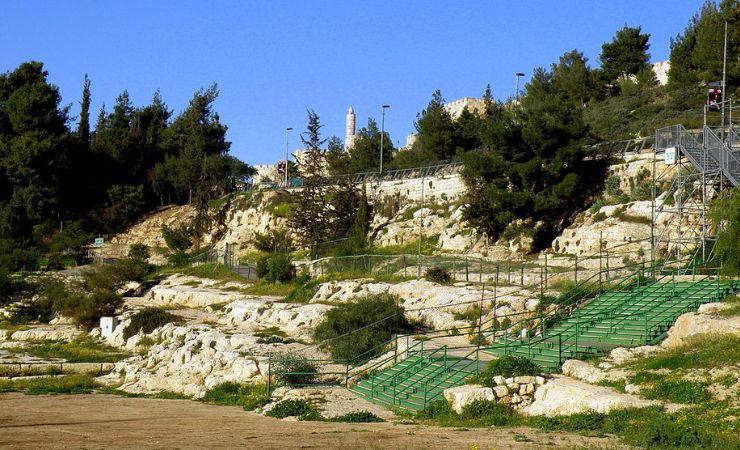
Sultan’s Pool Jerusalem sits strategically just west of the Old City of Jerusalem, positioned between Mount Zion and the western slope of the Hinnom Valley. The site occupies a natural depression where ancient engineers built a dam across the valley to create the reservoir. Visitors can easily reach the venue on foot from Jaffa Gate, following the path downhill for approximately 300 meters.


Sultan's Pool History
Sultan’s Pool Jerusalem traces its origins to ancient water management systems that supplied the growing city. Archaeological evidence suggests the initial reservoir dates to the Hasmonean period (2nd-1st centuries BCE), when Jerusalem’s population expansion required sophisticated water collection and storage.
The site occupies part of the biblical Hinnom Valley (Gei Ben-Hinnom), which ancient texts describe as a place where child sacrifice occurred during the reigns of kings Ahaz and Manasseh. This valley later became synonymous with spiritual desolation and gave rise to the concept of Gehenna.
Roman engineers expanded the pool significantly during the 1st-2nd centuries CE, integrating it into their comprehensive aqueduct system that channeled water from the Hebron hills. The Byzantines maintained and modified the structure, using it to supply their churches and public baths throughout the city.
The pool received its current name from Sultan Suleiman the Magnificent, who ordered major reconstruction work between 1537-1541 CE as part of his broader Jerusalem renovation project. Ottoman records describe the pool as “Birket es-Sultan” and detail its use for both water storage and as a livestock market, particularly during the annual pilgrimage seasons when thousands of animals passed through the city.
During the British Mandate period (1920-1948), authorities drained the pool permanently and converted the space for public use. The amphitheater-like setting, created by centuries of terracing and stone construction, proved ideal for performances. Since Israel’s independence, Sultan’s Pool has hosted major cultural events, including performances by Leonard Cohen, Bob Dylan, and numerous Israeli artists. The venue now accommodates approximately 8,000 spectators and ranks among Israel’s premier outdoor concert locations.
Practical Information
Sultan’s Pool Jerusalem operates as both a historic site and active concert venue, with access depending on the event schedule. Entry to the site during non-event periods is free, allowing visitors to explore the ancient reservoir structure and enjoy views of the Old City.
The venue has limited parking due to its location in the narrow Hinnom Valley. During major events, Jerusalem Municipality provides shuttle bus service from designated parking areas near the International Convention Center and Teddy Stadium. Public transportation includes the Jerusalem Light Rail to City Hall station, followed by a 10-minute walk through Mamilla Mall and down to the pool.
Additional Information
What concerts are held at Sultan’s Pool Jerusalem?
Sultan’s Pool hosts a diverse range of performances including international rock and pop concerts, Israeli music festivals, classical music performances, and cultural events. Past performers have included Leonard Cohen, Bob Dylan, Sting, and many leading Israeli artists. The venue typically schedules 15-20 major events annually during its active season from April through October.
Can you visit Sultan’s Pool Jerusalem when there are no events?
Yes, Sultan’s Pool is accessible as a public space when no events are scheduled. Visitors can explore the historic site, walk through the ancient reservoir area, and enjoy views of the Old City walls. However, during event setup or private functions, access may be restricted.
How old is Sultan’s Pool in Jerusalem?
The original reservoir dates to the Hasmonean period (2nd-1st centuries BCE), making the site over 2,000 years old. The current structure reflects multiple periods of construction and renovation, most notably the major reconstruction ordered by Sultan Suleiman the Magnificent in the 16th century CE.
Where exactly is Sultan’s Pool located in Jerusalem?
Sultan’s Pool is located in the Hinnom Valley, approximately 300 meters west of Jaffa Gate and the Old City walls. The site sits between Mount Zion to the south and the Mamilla area to the north, making it easily accessible from Jerusalem’s main tourist areas.
Is parking available at Sultan’s Pool Jerusalem?
Regular parking at Sultan’s Pool is extremely limited due to its location in a narrow valley. During major events, authorities typically close nearby streets and provide shuttle bus service from designated parking areas. Visitors are strongly encouraged to use public transportation or walk from central Jerusalem locations.
What is the capacity of Sultan’s Pool venue?
Sultan’s Pool can accommodate approximately 8,000 spectators for concerts and major events. The venue combines natural stone terracing from its historic reservoir structure with temporary seating installations, creating an intimate amphitheater setting despite its substantial capacity.
Why is it called Sultan’s Pool?
The site received its name from Sultan Suleiman the Magnificent, who ordered major reconstruction of the reservoir between 1537-1541 CE as part of his comprehensive renovation of Jerusalem. Ottoman records refer to it as “Birket es-Sultan” (the Sultan’s Pool), and the name has remained in use for nearly 500 years.
What Biblical significance does the Sultan’s Pool area have?
Sultan’s Pool sits within the biblical Hinnom Valley (Gei Ben-Hinnom), mentioned in ancient Hebrew texts as a place where child sacrifice occurred during certain periods of the First Temple era. This valley later became associated with spiritual desolation and influenced the development of concepts about divine judgment in Jewish and Christian thought.
Nearby Sites
- Mount Zion: A historically rich area that includes significant sites like King David’s Tomb and the Room of the Last Supper.
- The Tower of David Museum: Located near Jaffa Gate, this museum offers fascinating exhibits on Jerusalem’s history and features a stunning night show.
- Jerusalem Cinematheque: Just a short walk from Sultan’s Pool, this cultural hub showcases films from around the world and offers a unique cinematic experience.
- Dormition Abbey: A Benedictine monastery that commemorates the Virgin Mary’s “falling asleep” (dormition) before her assumption into heaven.
Keep reading
Part of our Jerusalem Travel Guide →